

In a digital world flooded with mass-produced goods and one-click orders, a quiet revolution is taking place. Shoppers are turning away from the generic and moving toward the meaningful. In 2025, handmade is no longer just a niche—it’s redefining luxury in the world of online shopping.
From embroidered throws to hand-poured candles, artisan e-commerce platforms are flourishing. They are bringing the human touch back into commerce, one crafted item at a time.
What Is Driving the Handmade Movement Online?
1. Consumers Are Craving Authenticity
Today’s shoppers—especially Millennials and Gen Z—are not just looking for products; they’re searching for stories. A hand-carved bowl made by a local artist carries emotional and cultural value. That story, often featured in the product description, makes the item worth more than just its material.
Authenticity drives connection. It creates a sense of personal involvement in the product’s journey. This is something mass-produced goods can never offer.
2. Sustainability Is No Longer Optional
The environmental impact of fast fashion and mass manufacturing has become a global concern. Consumers are shifting to more eco-conscious purchasing behaviour, seeking alternatives that minimise waste.
Handmade goods typically involve:
-
Smaller production runs
-
Locally sourced materials
-
Lower carbon footprints
This shift is especially evident in Australia, where consumer sentiment strongly favours sustainable brands.
3. The Value of Time and Craftsmanship
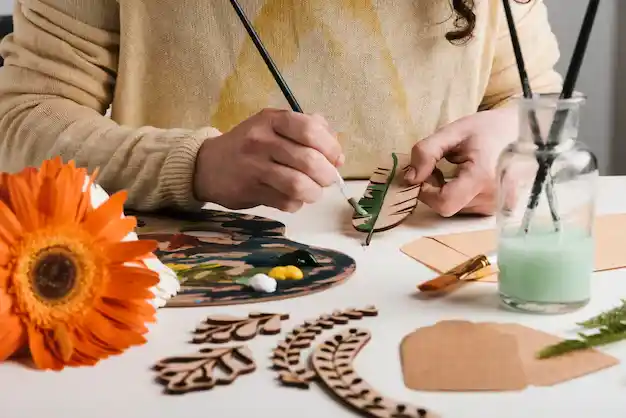
There is an increasing appreciation for the time, care, and skill that goes into handmade goods. Whether it’s hand-painted ceramics or naturally dyed fabrics, the craftsmanship behind each item is seen as a premium attribute.
Artisan e-commerce isn’t just about buying a product—it’s about celebrating the skill and dedication of the maker.
How Online Shopping Platforms Are Embracing the Artisan Trend
1. Niche Marketplaces on the Rise
Specialised platforms like madebymanyhands.com.au are creating curated marketplaces where handmade products can shine. Unlike big-box e-commerce sites, these platforms are:
-
Design-focused
-
Creator-first
-
Community-driven
They prioritise storytelling, maker profiles, and curated collections that highlight the uniqueness of each product.
2. Better Technology = More Visibility for Makers
With the rise of AI-driven recommendations and advanced product tagging, handmade items can now compete with mass-produced ones in search visibility.
Smart filters like “ethically sourced,” “locally made,” or “limited edition” help buyers find exactly what they’re looking for—and help makers reach their ideal audience.
3. Seamless User Experience
Today’s artisan-focused platforms offer:
-
Mobile-first designs
-
Secure checkout
-
Transparent shipping policies
The UX is on par with larger retailers, ensuring customers don’t sacrifice convenience for uniqueness.
Why Handmade is the Future of Luxury
1. Exclusivity Without Waste
Unlike traditional luxury, which often relies on scarcity through inflated pricing, handmade luxury offers true exclusivity:
-
Limited quantities
-
No mass replication
-
Custom options available
This exclusivity is rooted in authenticity—not artificial scarcity.
2. Emotional and Cultural Connection
Luxury is becoming more personal. A handmade quilt tells a richer story than a designer label. It reflects the buyer’s values, lifestyle, and cultural curiosity.
Australian consumers especially value local stories and Indigenous craftsmanship, making artisan goods a perfect fit for modern luxury preferences.
3. Support for Local and Small Businesses
Buying handmade online means supporting:
-
Local artists
-
Independent craftspeople
-
Women-led businesses
-
Social enterprises
Consumers aren’t just buying a product—they’re investing in a community.
Key Tips for Shoppers Interested in Handmade Products
1. Read the Maker’s Story
Always check for artist profiles or behind-the-scenes videos. These add real depth to your shopping experience.
2. Look for Certifications
If sustainability or fair trade is important to you, look for platforms that offer certified or verified ethical standards.
3. Check for Customisation Options
Many handmade shops offer personalised touches—from monograms to made-to-order sizing. Take advantage of this.
4. Know the Return Policy
Because handmade items are unique, returns may differ from standard policies. Always check the fine print.
How Businesses Can Benefit from the Handmade Trend
1. Start Curating Artisan Collections
Retailers can add a handmade section to their offerings, even if they primarily sell mass-produced goods. This builds brand trust.
2. Partner with Local Creators
Collaboration brings authenticity. Team up with artists and makers in your local area.
3. Share the Story
Use your platform to showcase the creators. Social media, blogs, and packaging inserts can all highlight the artisans behind the products.
Final Thoughts
The rise of artisan e-commerce reflects a broader shift in consumer values. In 2025, people want more than just products—they want connection, intention, and meaning. Handmade goods provide exactly that.
If you’re tired of the ordinary, the mass-produced, the disposable—it’s time to explore the world of artisan online shopping. At madebymanyhands.com.au, we believe every product should carry a story worth sharing.