
Buying handmade online is about more than just filling your cart. It’s a way to invest in craftsmanship, sustainability, and authentic storytelling. But how do you know if the handmade item you’re eyeing is truly high quality?
In this 2025 buyer’s guide, we’ll walk you through exactly how to spot genuine, premium handmade goods online — from fabrics to finishes, and materials to maker profiles.
Whether you’re new to artisan e-commerce or already filling your home with handcrafted beauty, this guide will sharpen your eye for quality and help you make confident purchases.
Why Quality Matters in Handmade Products
Handmade items are not always synonymous with high quality. Just like mass-produced goods, there are levels of care, skill, and material integrity involved.
High-quality handmade products:
-
Last longer
-
Feel better to use
-
Maintain beauty over time
-
Deliver value well beyond the price tag
When you’re investing in something unique, it should live up to your expectations.
1. Start With the Maker’s Story
A truly premium artisan product begins with the person who made it. Reputable sellers will always include:
-
The name and background of the maker
-
Their inspiration or design philosophy
-
Their working process or tools used
-
Photos of the maker at work
If a product listing lacks this information, it may be worth questioning its authenticity. Look for platforms like madebymanyhands.com.au that prioritise artist transparency and support small creators.
2. Examine the Materials Used
Materials are one of the clearest signals of quality. When shopping online, check for:
Natural fibres & raw materials:
-
Organic cotton
-
Australian wool
-
Jute, hemp, or bamboo
-
Recycled metals or reclaimed wood
No-go signs:
-
Vague terms like “premium blend” with no breakdown
-
No material info listed at all
-
Plastic substitutes passed off as wood or resin
Trustworthy sellers will name materials specifically and sometimes even include origin (e.g., “Tasmanian blackwood” or “fair-trade Peruvian wool”).
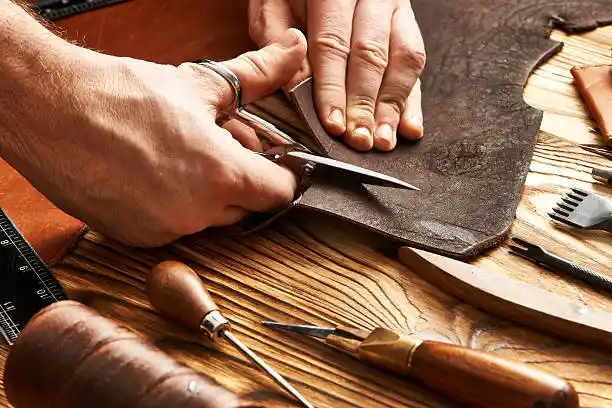
3. Look for Fine Details in the Finish
The finish of a handmade item speaks volumes about the skill level of the artist. Ask yourself:
-
Are the seams tight and even (for textiles or leather goods)?
-
Is the glaze smooth and crack-free (for ceramics)?
-
Are the edges polished or clean-cut (for wood or metalwork)?
-
Are embellishments sewn or glued securely?
Handmade doesn’t mean rough. In fact, a hallmark of quality is precision—even when using rustic materials.
4. Know the Hallmarks of Ethical Craftsmanship
High-quality doesn’t just mean well-made—it also means ethically made.
When evaluating a seller, look for signs of:
-
Fair labour practices (especially in global artisan collectives)
-
Eco-conscious materials and packaging
-
Transparency around sourcing and process
-
Certifications like Fair Trade, EcoCert, or B Corp where applicable
At madebymanyhands.com.au, ethical sourcing is a core value, making it easier for buyers to make conscious choices.
5. Compare Price to Effort, Not Just Similar Products
Many shoppers wrongly assume that if two handmade necklaces are the same price, they must be of equal quality.
But here’s the thing — the price of a handmade product reflects:
-
The hours spent crafting it
-
The complexity of the design
-
The rarity or cost of materials
-
The skill level of the artisan
-
Packaging, branding, and shipping infrastructure
If something seems “too cheap to be true” for a handmade piece, it probably is.
6. Read Customer Reviews (the Right Way)
Don’t just look at star ratings. Dig deeper into reviews that mention:
-
Texture
-
Finish
-
Packaging
-
Colour accuracy
-
Durability over time
Photos from previous buyers are gold—these give you an unfiltered look at what the product looks like in real life.
7. Inspect the Photography
Professional sellers take pride in presentation. If the photos are:
-
Grainy
-
Inconsistent
-
Shot in poor lighting
-
Cropped to hide flaws
…then the product may not be premium.
Good handmade product listings should include:
-
Multiple angles
-
Close-ups of texture or stitching
-
Size references (e.g. held in a hand or placed on furniture)
-
Contextual use (e.g. candle lit, textile styled on a sofa)
These photos help build trust and reduce buyer uncertainty.
8. Understand the Time-to-Ship
Fast shipping is great—but with handmade, some delay can signal authenticity.
If a product is made-to-order, you’ll often see a lead time of 5–10 business days. This is normal and even preferable, as it reflects that the product wasn’t mass produced and stockpiled.
Platforms like madebymanyhands.com.au clearly mark such timelines so you know what to expect.
9. Ask Questions — and Assess the Response
A great maker or platform will be happy to answer your questions, such as:
-
“Is this item machine washable?”
-
“Can you customise the colour?”
-
“Where is the wood sourced from?”
If the response is vague or evasive, it may be worth considering another seller. Quality sellers are passionate about their process and are happy to educate buyers.
10. Be Willing to Pay for True Quality
This is the most important point: quality handmade products are not cheap.
But they are:
-
Longer lasting
-
Emotionally rewarding
-
Environmentally responsible
-
Inherently more unique
In a world where fast, cheap, and disposable are the norm, investing in craftsmanship is a quiet act of rebellion—and one that pays off for years.
Final Words
Buying handmade should feel good—from the moment you read the story to the day you hold the product in your hands.
Platforms like madebymanyhands.com.au are making it easier than ever to shop with intention. By learning how to spot quality, you become a more empowered buyer—and a more responsible participant in a growing creative economy.
Every purchase becomes a form of support, storytelling, and sustainability.
So the next time you shop online, take a moment. Read. Ask. Appreciate. And invest in the kind of quality that lasts beyond the trend.